


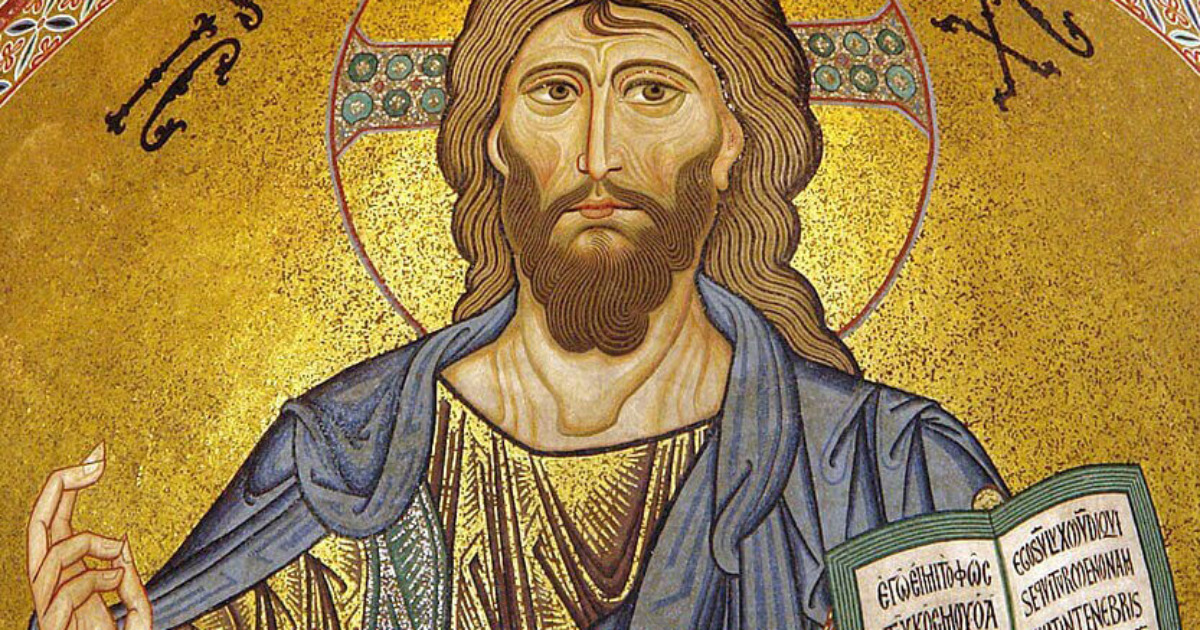
Cefalù is a charming seaside town of around 15,000 inhabitants on Sicily’s northern coast, in the province of Palermo. Widely regarded as one of Italy’s most beautiful villages, it combines breathtaking landscapes with a fascinating history that dates back to ancient times.
Besides its beaches, medieval streets and UNESCO-listed Norman Cathedral, Cefalù is also famous for one of its most important religious celebrations: the Feast of the Holy Saviour, held every year from 2 to 6 August.
The celebration honours the Holy Saviour, to whom the Cathedral is dedicated, and coincides with the Feast of the Transfiguration of Jesus on 6 August. During these days, the entire town comes alive with religious ceremonies, traditional events, local games, fireworks and moments of prayer in honour of the patron who has protected Cefalù throughout its history.
Who is the Holy Saviour, patron of Cefalù?
The origins of the festival date back to the 12th century, shortly after the construction of the Cathedral of Cefalù.
According to tradition, King Roger II of Sicily vowed to build the Cathedral after surviving a violent storm at sea thanks to the protection of the Holy Saviour.
Historical records confirm that celebrations in honour of the Holy Saviour were already taking place in 1159, and the tradition has continued uninterrupted ever since.
The bond between Cefalù and its patron became even stronger after the devastating earthquake of 1783, which struck much of Sicily. While many towns suffered severe destruction, Cefalù remained almost completely unharmed. The townspeople attributed this miraculous protection to the Holy Saviour, and from that moment the main celebration became permanently associated with 6 August, the Feast of the Transfiguration.
The city’s coat of arms was also modified to include the image of Christ alongside Cefalù’s traditional symbols.
How the feast of the Holy Saviour is celebrated
The celebrations officially begin on 2 August, when the Banner of Christ is raised between the twin towers of Cefalù Cathedral.
Church bells ring throughout the town while ceremonial fireworks recreate the sound of ancient mortars, preserving a tradition that dates back to the Norman period. Historically, King Roger II granted merchants and traders customs exemptions during the celebrations, a privilege that became part of the festival’s long-standing traditions.
On 5 August, the town commemorates the miraculous protection believed to have saved Cefalù during the devastating earthquake of 1783.
One of the most anticipated events takes place on 6 August: the famous Antinna a mari.
Antinna a mari
This traditional competition has been organised by the local fishing community for centuries.
Participants attempt to walk across a long wooden pole extending over the sea. The pole is covered with grease, making it extremely slippery and challenging to cross.
The goal is to reach the flag placed at the very end of the pole. Whoever succeeds is welcomed by cheers from the crowd before shouting “Long live the Holy Saviour!”, answered enthusiastically by everyone watching.
According to local tradition, this unusual competition originated among sailors, who practised similar games aboard their ships.
The religious procession
Also on 6 August, the statue of the Holy Saviour is carried through the historic streets of Cefalù during a solemn religious procession.
Thousands of residents and visitors accompany the procession in silence and prayer until it returns to Piazza Duomo, where the Bishop concludes the celebrations before the statue is brought back inside the Cathedral.
The evening ends with a spectacular fireworks display over Cefalù’s seafront, creating one of the most beautiful moments of the entire festival.
Finally, on 10 August, the Banner of Christ is lowered from the Cathedral towers, marking the official end of the celebrations until the following year.
Today, the Feast of the Holy Saviour remains one of the most important events in Cefalù’s cultural and religious calendar. It is deeply cherished by the local community, especially by fishermen, who continue to regard the Holy Saviour as their protector.o protettore, visto che la storia racconta di come abbia sempre aiutato i marinai della zona.