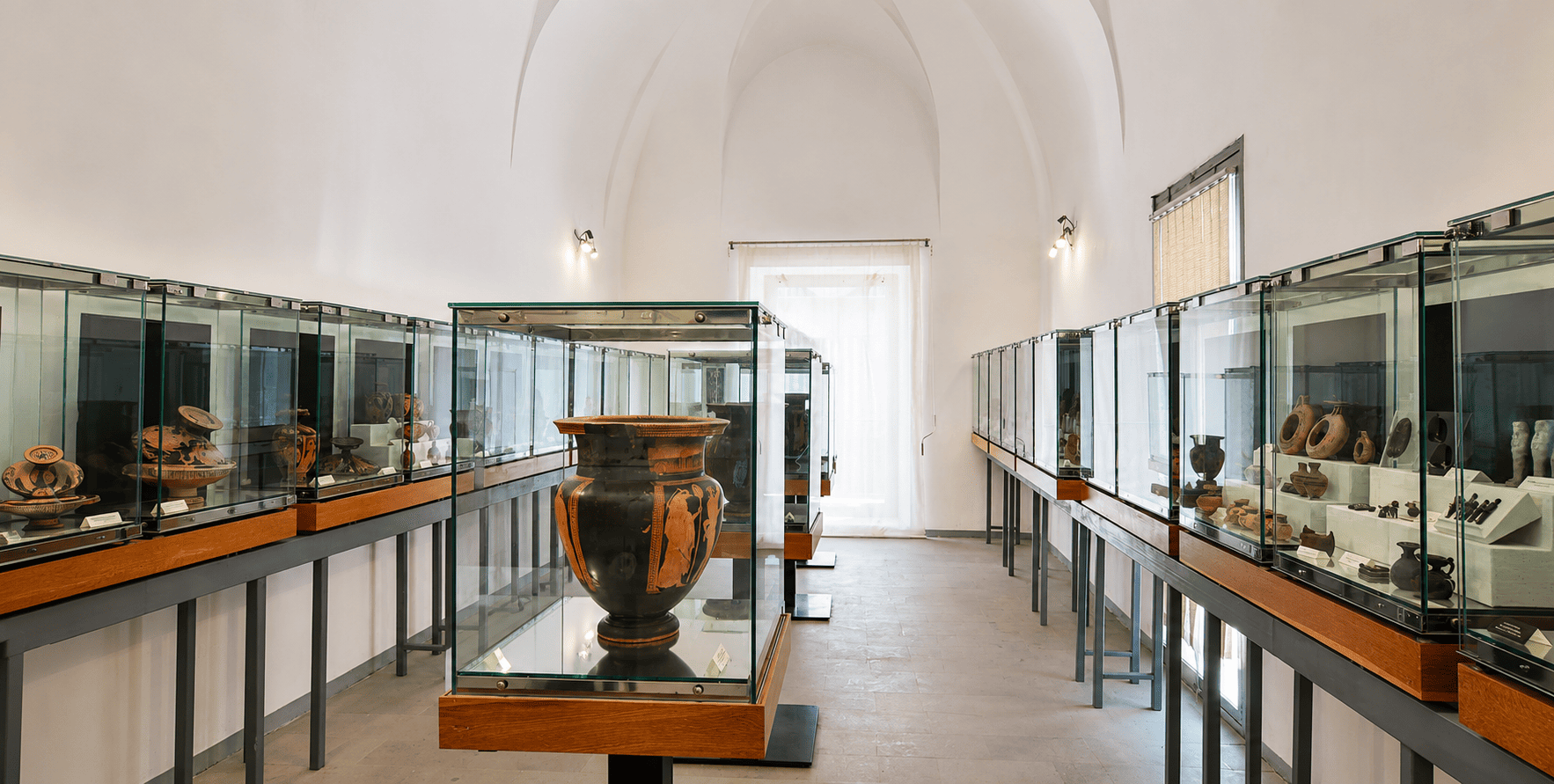
In the heart of Cefalù’s historic centre, just a short walk from the Norman Cathedral, you’ll find one of Sicily’s most fascinating museums. Often overlooked by visitors passing through the town, the Mandralisca Museum is well worth taking the time to explore. Housed in the elegant 19th-century residence of Baron Enrico Pirajno di Mandralisca, it brings together an impressive collection of fine art, archaeology, numismatics, natural history, and a historic library under one roof.
The museum’s most celebrated masterpiece is the Portrait of an Unknown Man by Antonello da Messina, one of the most captivating and mysterious paintings of the Italian Renaissance. But the museum has much more to offer than this iconic work. Highlights include its remarkable archaeological collection, the famous Greek crater depicting a tuna seller, and beautiful views of Cefalù Cathedral from the palace’s upper levels, making it a truly rewarding visit even for those unfamiliar with Antonello’s work.
Welcoming around 20,000 visitors each year, the Mandralisca Museum is one of Cefalù’s most important cultural attractions and is within easy walking distance of all Ma&Mi accommodation.
Who was Baron Mandralisca? The man behind the museum
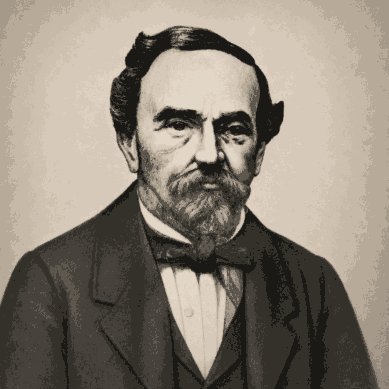
To truly appreciate the museum, it’s worth getting to know the man who created it. Baron Enrico Pirajno di Mandralisca was born in Cefalù in 1809 and died in 1864, leaving the town an extraordinary legacy: his private collection, the palace that housed it, and the financial resources needed to keep it open to the public for educational purposes.
The Baron was a true Renaissance-minded scholar. He was an art collector, archaeologist, naturalist, and numismatist, driven by an insatiable curiosity and a passion for knowledge.
In his will, drawn up in 1853, he arranged for the establishment of a secondary school and an evening school, both funded by the income from his estate, including his collection and the palace that contained it. These provisions laid the foundations for what is now the Mandralisca Foundation.
The result is a museum unlike any other. Rather than a collection assembled according to modern curatorial principles, it reflects the personal interests of an enlightened 19th-century intellectual who collected everything that fascinated him, combining scientific rigour with a refined artistic sensibility.
The Portrait of an Unknown Man by Antonello da Messina
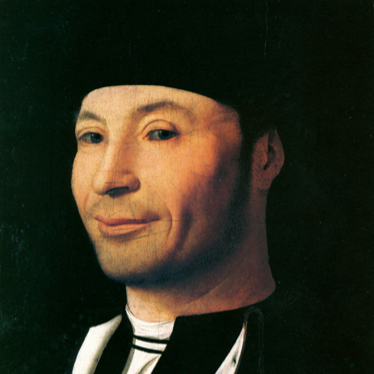
The Portrait of an Unknown Man is the museum’s greatest treasure and one of the most celebrated masterpieces of 15th-century Italian painting. Created in oil on panel by Antonello da Messina, widely regarded as one of the finest painters of the European Renaissance, the portrait depicts an unidentified man whose enigmatic expression seems to hover between irony and detachment. His slightly sideways glance and faint, almost knowing smile give the painting a remarkable sense of life and mystery.
The museum’s Antonello Room takes its name from this extraordinary work, the highlight of the Mandralisca Collection. It is an intimate space where the painting’s modest size contrasts with its extraordinary expressive power. Visitors already familiar with Antonello da Messina recognise it as one of his greatest achievements, while those encountering it for the first time quickly understand why the Sicilian master is considered one of the defining artists of the Italian Renaissance.
For many visitors, the Portrait of an Unknown Man alone is reason enough to visit the Mandralisca Museum.
The art gallery
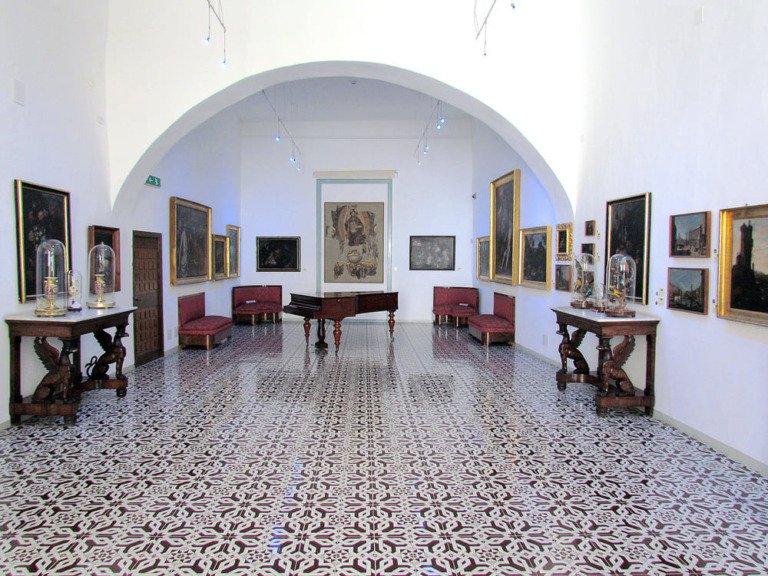
The Art Gallery occupies the museum’s first and second floors, following a layout that reflects the character of the original private collection rather than a strictly chronological exhibition. Its diverse holdings date from the 15th to the 18th century, with a particular focus on Sicilian art.
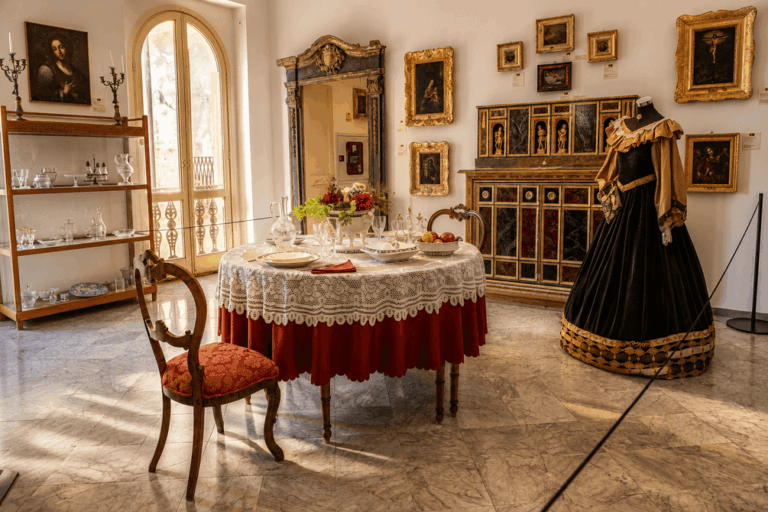
Alongside the famous Portrait of an Unknown Man, the gallery features paintings from different periods and artistic traditions, offering an insight into the development of Sicilian painting from the Renaissance through to the Baroque. The museum also displays original furnishings that once belonged to Baron Mandralisca, including elegant Neoclassical furniture, majolica ceramics, a fine earthenware dinner service by the Neapolitan craftsman Biagio Giustiniani, and an exquisite collection of Murano glassware.
Among the highlights are two beautifully crafted 17th-century cabinets, inherited through the Cirincione bequest and believed to have been made by master cabinetmakers in Naples.
The archaeological collection and the Tuna Seller Krater
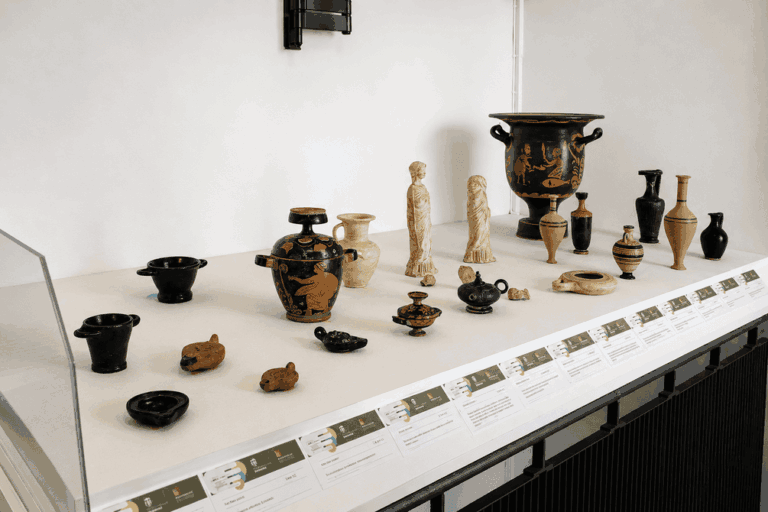
The museum’s archaeological collection is largely based on discoveries made during excavations personally carried out by Baron Mandralisca. These included digs in Cefalù’s southern necropolis, between the districts of Santa Domenica and Pietragrossa, as well as excavations in other parts of Sicily. One of the most significant campaigns took place in 1864 at the Contrada Diana necropolis on the island of Lipari.
The collection’s most famous artefact is the Tuna Seller Krater, a magnificent red-figure Siceliot Greek vase dating to around 370 BC. Decorated with a vivid scene of tuna fishing and trading, it offers a fascinating glimpse into the daily life and maritime economy of ancient Sicily, making it one of the museum’s most valuable archaeological treasures.
The museum also houses four Attic red-figure kraters, attributed to the Centauromachy Painter, together with an important collection of Hellenistic, Roman, and early Christian oil lamps, including one shaped like a wild boar’s head. Another highlight is a finely crafted 4th-century BC statuette of the goddess Demeter, reflecting the richness and diversity of the collection.
The numismatic collection
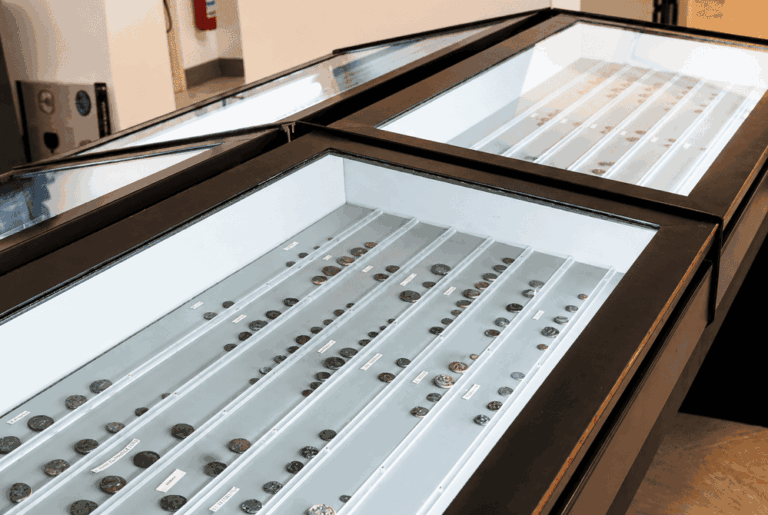
The Numismatic Collection is displayed in a dedicated gallery on the museum’s first floor, within the historic section of the building. It features coins minted by several Greek and Roman mints, as well as examples from almost every Siceliot mint, with particularly important collections from Lipari and Cefalù.
For anyone interested in the monetary history of ancient Sicily, this section is one of the most comprehensive collections to be found in a museum of this size, offering a fascinating insight into the island’s economic and cultural past.
The malacological collection and the library
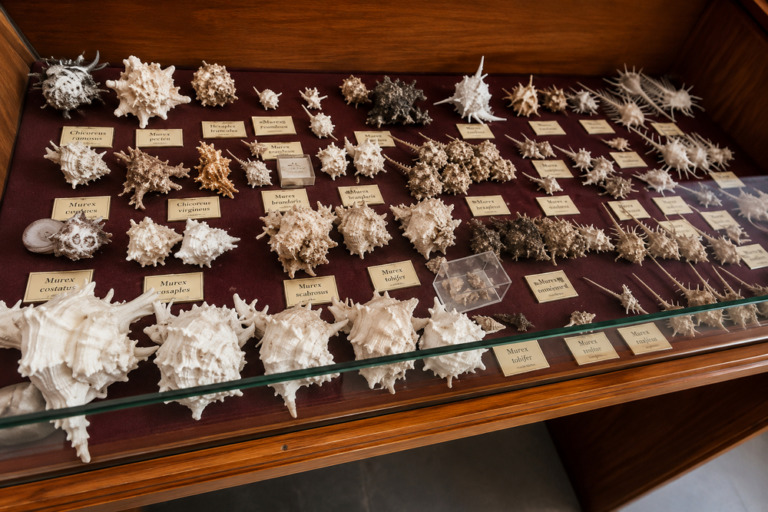
The museum also houses an impressive malacological collection, featuring marine, freshwater, and terrestrial shells, as well as land snails from Sicily, particularly the Madonie Mountains. Among its highlights are extensive collections of European and exotic land snails, freshwater species from Sicily and across Europe, as well as specimens from the south-western United States and Asia. These collections reflect the scientific exchanges that Baron Mandralisca maintained with researchers around the world. The museum’s natural history collection also includes around 100 preserved bird specimens.
Another of the museum’s treasures is its historic Library, which contains approximately 3,700 volumes covering the humanities, history, and philosophy, together with valuable manuscripts by local authors. Open to the public, the library also preserves an important collection of diplomas from the Cathedral Chapter Archive, as well as two 17th-century nautical charts, making it a valuable resource for anyone interested in the history and culture of Sicily.
Views of Cefalù Cathedral from the palace rooftop
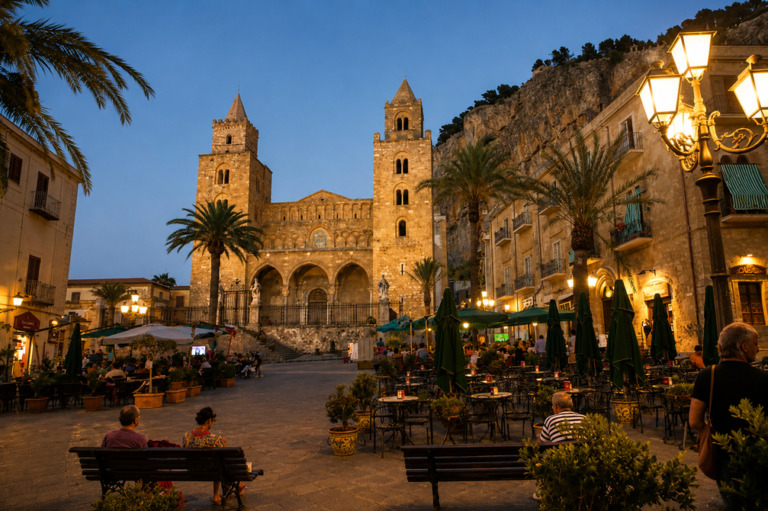
One of the museum’s most memorable experiences isn’t listed in any guidebook: the view of Cefalù Cathedral from the upper levels of Palazzo Mandralisca. No description can truly capture the feeling of seeing the cathedral from this unique vantage point.
From here, you’ll enjoy an unusual and privileged perspective of the Norman twin towers, with the imposing Rocca rising behind them, offering one of the most beautiful and unexpected views of Cefalù.
Opening hours, tickets and practical information
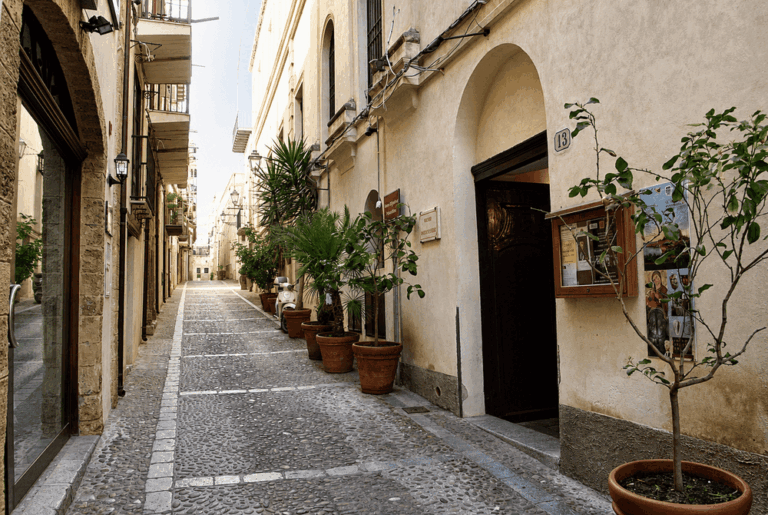
The Mandralisca Museum is located at 13 Via Mandralisca, in the heart of Cefalù’s historic centre, just a few metres from the Cathedral.
The museum is open throughout the year, although opening hours vary by season.
- April to October: open daily from 9:00 am to 7:00 pm
- November to March: open Tuesday to Sunday, from 9:00 am to 7:00 pm (closed on Mondays)
- June, July and August: open daily from 10:00 am to 8:00 pm
- Christmas Day, New Year’s Day, Easter Sunday and Easter Monday: open from 9:00 am to 1:00 pm and 3:00 pm to 7:00 pm
Admission prices:
- Full ticket: €8
- Reduced ticket (€6): members of affiliated associations, children aged 11 to 15, and groups of more than 10 people
- Reduced ticket (€3): school groups and children aged 6 to 10
- Free admission: residents of Cefalù and local school groups
As opening hours and admission fees may change, we recommend checking the official Mandralisca Foundation website before your visit: fondazionemandralisca.it.
Is the Mandralisca Museum worth visiting?
The Portrait of an Unknown Man by Antonello da Messina alone makes the visit worthwhile. It's one of the masterpieces of the Italian Renaissance, housed in a small museum that remains a hidden gem.
The Tuna Seller Krater and the collection of artefacts from Sicily and Lipari offer a fascinating insight into the ancient Mediterranean world.
The museum adds a rich cultural dimension to the town, complementing its beaches and the magnificent Cathedral.
A typical visit takes around 1.5 hours, or up to 2 hours if you’d like to explore the collections in greater depth. It fits perfectly into a walking itinerary through Cefalù’s historic centre.
From the museum, it’s just a 3-minute walk to the Cathedral, making it an easy addition to your day in Cefalù.
Stay in Cefalù and visit the Mandralisca Museum
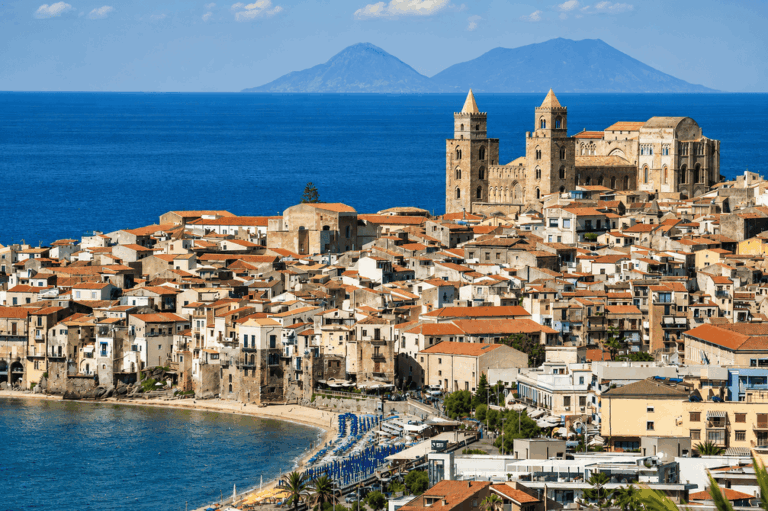
Ma&Mi For You, Ma&Mi Guest House, and Ma&Mi Light Rooms are all within easy walking distance of the Mandralisca Museum. Staying with Ma&Mi means you’ll have Cefalù’s historic centre and its most important cultural attractions just a pleasant stroll away, allowing you to experience the town at your own pace.